


- >Subway safety monitoring system
- >Safety Monitoring System for Ancient Architectural Structures
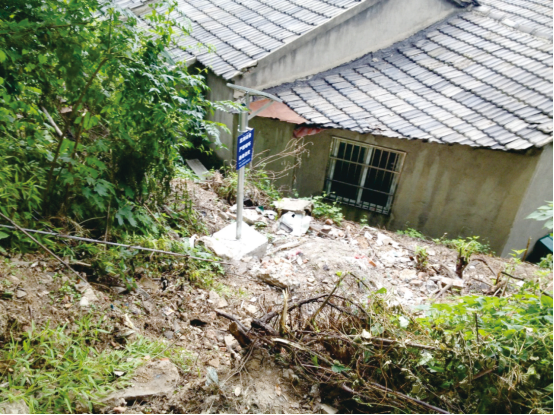
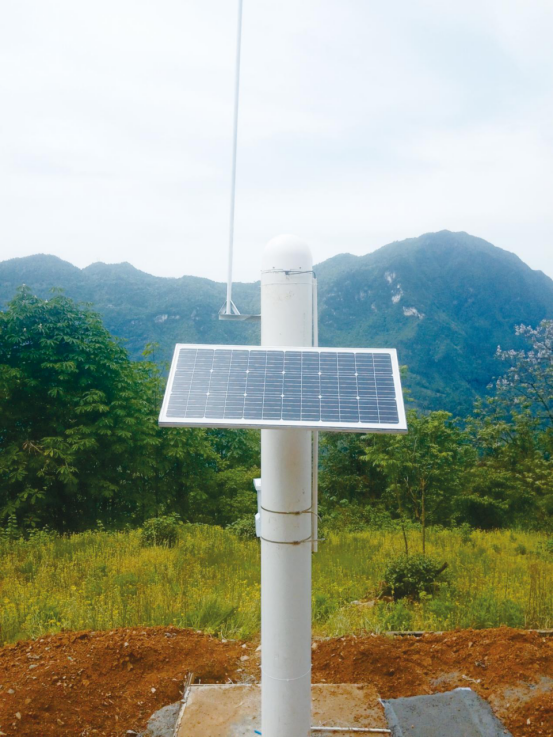
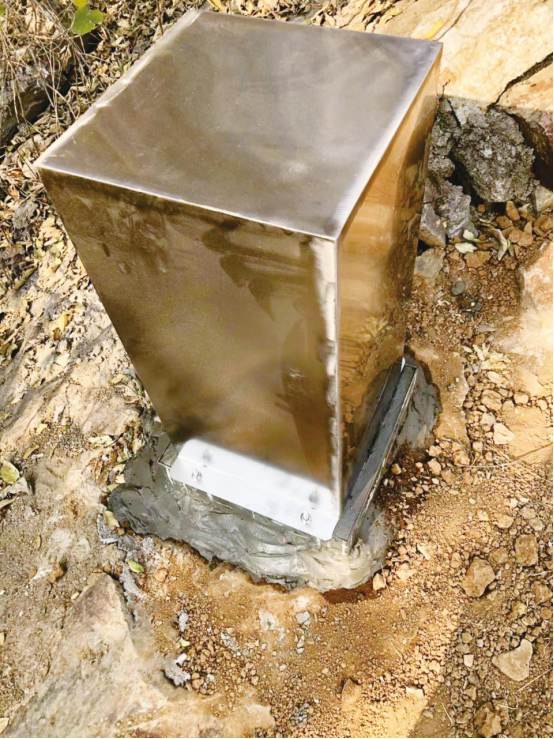
- >Slope safety monitoring system
- >Building settlement monitoring system
- >Online monitoring of tower fan safety
- >Bridge safety monitoring system
- >Online monitoring of tailings pond safety
- >Dam reservoir safety monitoring system
- >Pipe gallery safety monitoring system
- >Drilling platform safety monitoring system
- >Smart construction site safety system
- >Roadbed safety monitoring system
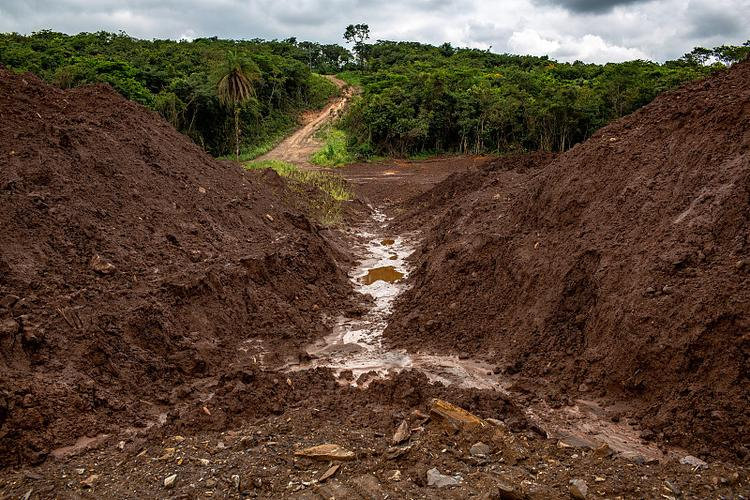
Slope safety monitoring system
1、System Introduction
Online monitoring of geological hazards is a systematic project, and the success or failure of monitoring work is directly related to the selection of monitoring methods and sensors, the overall stability of the system, and the layout of measuring points, based on monitoring work standards and experience. There are three principles:
(1) Reliability principle
The reliability principle is the most important principle considered in the design of monitoring systems. To ensure its reliability, it is necessary to:
1. Instruments certified by national professional institutions.
2. The monitoring points should be protected during the monitoring period.
3. Principle of multi-level monitoring.
The specific meaning of the principle of multi-level monitoring has four points:
① Focusing on hydrological changes and geological movements as the main monitoring objects, while taking into account other monitoring projects;
② Online monitoring is the main monitoring method, supplemented by inspection methods;
③ Choose electrical measuring instruments as the main monitoring instrument, supplemented by mechanical measuring instruments,;
④ Place monitoring points underground, on the surface, and near buildings to form a monitoring network with a certain coverage rate of measurement points.
4. Principles for Key Monitoring Areas
The layout of monitoring points should be reasonable, and key areas should be controlled. The standards for stability of the surrounding area vary under different geological and hydrogeological conditions. Areas with poor stability should be monitored with emphasis to ensure the safety of buildings.
(2) Principle of scientificity
The online monitoring of geological hazards must ensure real-time monitoring 24/7 in order to ensure the safety of people's lives and property. Therefore, monitoring equipment must utilize advanced computer and information engineering technologies and adapt to the trends of future scientific development.
(3) Normative principle
The implementation of the online monitoring and early warning plan for geological disasters must comply with various national and industry standards, while also ensuring the comprehensiveness and applicability of the plan, and putting the safety of people's lives and property first.
2、Monitoring content
(1) Surface displacement monitoring
(2) Internal displacement monitoring
(3)Camera personnel identification
(4)Crack displacement monitoring
(5)Water level monitoring
(6) Rainfall monitoring
(7) Soil pressure monitoring
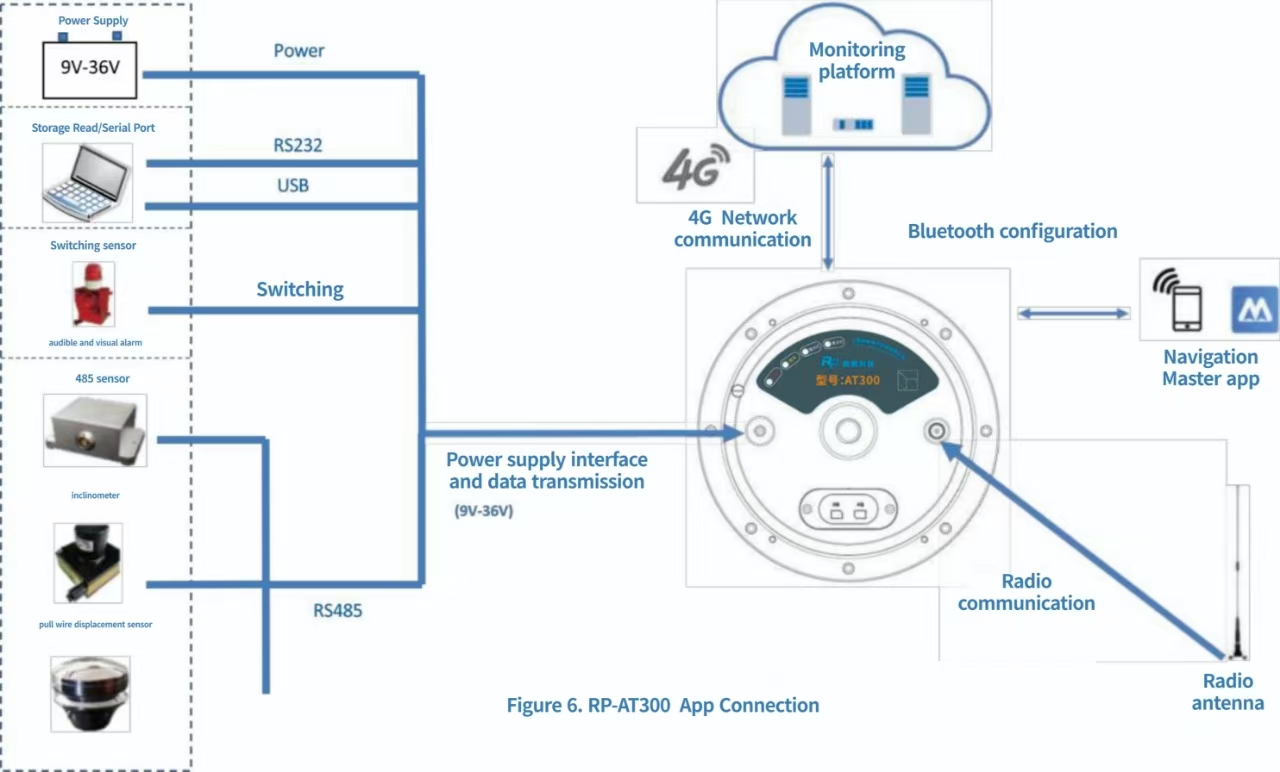
3、System topology diagram
4、Application case diagram